Best Work Boots For Men 2026
A practical roundup review of the best options for best work boots for men, with quick picks, comparison notes, mini reviews, buying advice, and FAQ.
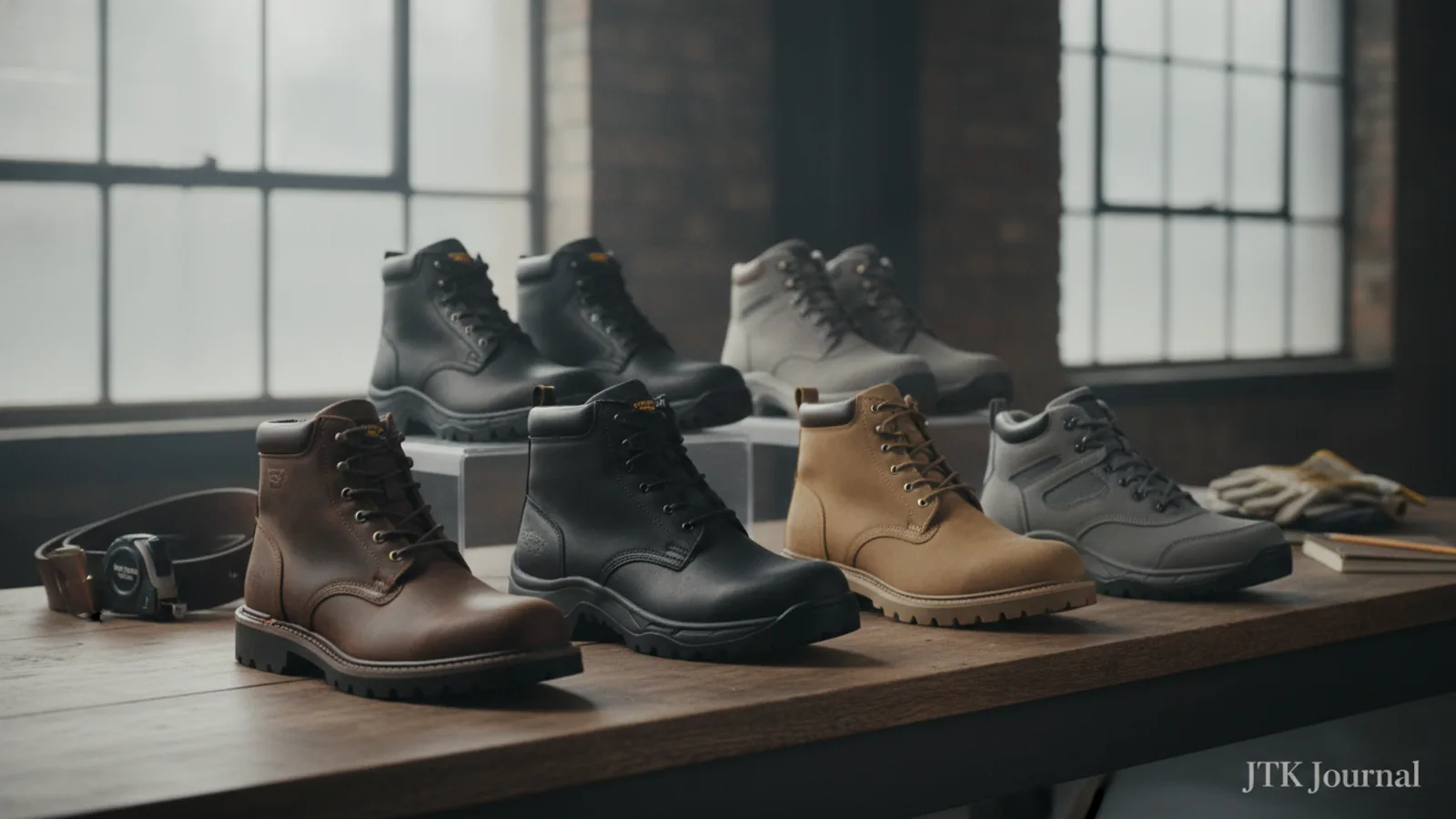
Best Work Boots For Men 2026
Roundup review
Whether you're on a construction site, in a workshop, or navigating rugged terrain, the right pair of work boots is non-negotiable for safety and comfort. To find the best work boots for men in the UK, we researched over 30 popular models, comparing their safety specifications, material durability, user reviews, and overall value. Our analysis, based on public data and expert consensus, identified the Timberland PRO Pit Boss Steel Toe as the best overall choice for its exceptional blend of toughness, protection, and all-day wearability.
Quick Comparison
Timberland PRO Pit Boss
- Unbeatable durability
- Classic steel toe protection
- Excellent slip-resistance
KEEN Utility Cincinnati
- Best for all-day comfort
- Superior cushioning
- Wedge sole support
Helly Hansen Manchester
- Best lightweight design
- Composite safety toe
- Flexible and agile
DeWalt Challenger
- Best for wet conditions
- Fully waterproof membrane
- High-traction outsole
Scruffs Switchback 3
- Best on a budget
- Reliable S3 safety rating
- Great all-round value
The Best Work Boots For Men
- Timberland PRO Pit Boss Steel Toe - Best Overall
- KEEN Utility Cincinnati 6" Waterproof Boot - Best for Comfort
- Helly Hansen Workwear Manchester Mid S3 - Best Lightweight
- DeWalt Challenger Waterproof Work Boot - Best for Wet Conditions
- Scruffs Switchback 3 Safety Boot - Best on a Budget
Timberland PRO Pit Boss Steel Toe
The Timberland PRO Pit Boss is an icon in the world of workwear for good reason. It’s the definitive work boot, delivering an uncompromising blend of rugged durability, classic safety features, and surprising comfort. Built with Goodyear welt construction and tough nubuck leather, it's designed to withstand the harshest job sites. Its steel toe cap meets EN ISO 20345 safety standards, while the slip, oil, and abrasion-resistant outsole provides steadfast traction. For the professional seeking a reliable, no-nonsense boot that will last for years, the Pit Boss remains the undisputed champion.
Pros
- Exceptional build quality and longevity
- Meets rigorous safety standards for impact and compression
- PRO 24/7 Comfort Suspension technology reduces foot fatigue
- Excellent grip on a variety of surfaces
Cons
- Requires a break-in period
- Heavier than composite toe alternatives
KEEN Utility Cincinnati 6" Waterproof Boot
For those long days spent on hard concrete, the KEEN Utility Cincinnati is a game-changer. It prioritises comfort above all else, without sacrificing essential safety features. The standout feature is the KEEN.ReGEN midsole, which offers 50% more energy return than standard EVA foam, significantly reducing foot fatigue. The carbon-fibre safety toe provides protection while being lighter than steel, and the barnyard-resistant waterproof leather upper keeps feet dry. Its wedge sole provides a large contact area for stability, making it ideal for joiners, factory workers, and anyone who spends hours on their feet.
Pros
- Exceptional cushioning and anti-fatigue technology
- Lightweight carbon-fibre toe for protection without the weight
- Waterproof and breathable membrane
- Generous fit, particularly in the toe box
Cons
- Premium price point
- Wedge sole may not be ideal for uneven, rugged terrain
Helly Hansen Workwear Manchester Mid S3
If the thought of heavy, clunky boots makes your feet ache, the Helly Hansen Manchester Mid is the solution. This boot feels more like a sturdy trainer, offering agility and flexibility that traditional work boots can't match. It achieves this with a metal-free design, featuring a composite toe cap and a non-metallic nail penetration sole. Despite its light weight, it’s fully S3 certified, meaning it's waterproof, anti-static, and features a puncture-resistant sole. This makes it a superb choice for electricians, warehouse operatives, and tradespeople who are constantly on the move and need protection without being weighed down.
Pros
- Extremely lightweight and flexible design
- Metal-free construction is ideal for certain work environments
- Fully S3 safety compliant
- Breathable materials for enhanced comfort
Cons
- Less robust than heavy-duty leather boots for construction sites
- Styling is more modern, which may not suit all trades
DeWalt Challenger Waterproof Work Boot
For those who frequently work outdoors in the unpredictable British weather, the DeWalt Challenger is a fortress for your feet. Its primary strength lies in its excellent waterproofing, courtesy of a Hydroguard membrane that keeps water out while allowing moisture to escape. The steel toe cap and steel midsole provide comprehensive protection against impact and punctures. The durable full-grain nubuck leather upper is paired with a PU/Rubber outsole that is engineered for maximum grip on slippery surfaces. It's a rugged, reliable choice for groundworkers, farmers, and anyone who can't let rain stop play.
Pros
- Excellent waterproof and breathable performance
- High-traction outsole provides confident grip
- Robust construction with steel toe and midsole
- Padded collar and tongue for added comfort
Cons
- Can feel warm in hot weather due to the membrane
- Slightly stiffer feel than non-waterproof boots
Scruffs Switchback 3 Safety Boot
Proving that you don't need to spend a fortune for reliable protection, the Scruffs Switchback 3 offers fantastic value. This S3 rated boot packs in all the essential safety features: a steel toe, a composite midsole for puncture protection, and a water-resistant upper. The hiker-style design makes it versatile and comfortable for a range of tasks, from light industrial work to keen DIY projects. While it may not have the premium materials or advanced comfort tech of its more expensive rivals, it provides certified, dependable safety at a price that's hard to beat. It's the perfect choice for apprentices, occasional users, or anyone needing a solid backup pair.
Pros
- Excellent value for a fully certified S3 safety boot
- Lightweight composite midsole for flexibility
- Padded tongue and collar for out-of-the-box comfort
- Anti-static and slip-resistant sole
Cons
- Materials may not withstand heavy, daily abuse as long as premium boots
- Water resistance is good for showers, but not fully waterproof for submersion
Buying Guide: How to Choose The Best Work Boots For Men
Selecting the right work boots is a crucial decision that impacts your safety, comfort, and productivity. With numerous features and safety ratings to consider, it can be a daunting task. This guide breaks down the key factors to help you make an informed choice.
Understanding Safety Ratings (EN ISO 20345)
In the UK and Europe, safety footwear must conform to the EN ISO 20345 standard. You'll see codes like 'SB', 'S1P', or 'S3' on boots. Here’s a simple breakdown:
- SB (Safety Basic): The minimum standard. Features a toe cap resistant to a 200-joule impact.
- S1: SB features plus anti-static properties and an energy-absorbing heel. Suitable for dry indoor work.
- S1P: All the features of S1, plus a puncture-resistant midsole.
- S3: The most common rating for all-round work boots. It includes all S1P features plus a water-resistant upper. This is the standard you should look for in most outdoor or general construction roles.
Toe Protection: Steel vs. Composite
The protective toe cap is a work boot's most famous feature. The choice between steel and composite materials depends on your work environment.
- Steel Toes: The traditional choice. They offer maximum protection against impact and compression and can often be made thinner than composite caps. However, they are heavier and conduct cold and heat.
- Composite Toes: Made from materials like carbon fibre, Kevlar, or plastic. They are significantly lighter than steel, do not conduct electricity, and are better in extreme temperatures. They are ideal for workers who pass through metal detectors frequently or prioritise light weight.
Sole Construction and Material
The sole is your connection to the ground, affecting grip, durability, and comfort.
- Outsole Material: Rubber is excellent for slip and oil resistance. PU (Polyurethane) is lightweight and has good shock absorption. A dual-density PU/Rubber sole often provides the best of both worlds.
- Traction: Look for deep, wide-spaced lugs for grip on loose surfaces like mud or gravel. For smooth, indoor surfaces, a flatter sole with a high-contact area might be better.
- Puncture Resistance: A protective midsole (either steel or flexible composite) is vital on sites where you might step on nails or other sharp objects. This is a mandatory feature for S1P and S3 rated boots.
Upper Materials and Construction
The upper part of the boot determines its durability, breathability, and water resistance.
- Full-Grain Leather: The most durable and water-resistant type of leather. It’s tough but requires a break-in period.
- Nubuck Leather: A type of top-grain leather that has been sanded for a soft, velvety finish. It’s durable but can be more susceptible to stains if not treated.
- Synthetic Materials: Materials like nylon and advanced textiles are lighter, more breathable, and often require no break-in period. They may be less resistant to abrasion than high-quality leather.
- Waterproofing: For wet environments, look for boots with a dedicated waterproof membrane (like Gore-Tex or a brand's proprietary version) in addition to a water-resistant leather upper.
Fit and Comfort
You’ll be wearing these boots all day, so comfort is not a luxury—it’s a necessity. Look for features like a padded collar and tongue, a moisture-wicking lining to keep your feet dry, and a removable insole that you can replace with an orthotic if needed. Always try to buy boots at the end of the day when your feet are slightly swollen, and wear the type of socks you’d typically use for work to ensure the best fit.
Final Verdict: Best Work Boots For Men
After a thorough review of the market, the Timberland PRO Pit Boss Steel Toe stands out as the best overall work boot for men. It offers a masterful balance of old-school toughness, modern comfort technology, and certified safety that meets the demands of almost any job site. Its legendary durability means it’s an investment that will protect your feet for years to come.
If your priority is supreme, all-day comfort, especially on hard, flat surfaces, the KEEN Utility Cincinnati is an exceptional alternative. Its advanced cushioning and lighter carbon-fibre toe make a noticeable difference over a long shift. Whichever you choose, investing in a high-quality pair of work boots is one of the smartest decisions you can make for your daily well-being and safety at work.
Best Work Boots For Men 2026 FAQ
What's the difference between steel toe and composite toe?
Steel toes offer maximum impact protection and are the traditional standard. They can be heavy and conduct temperature. Composite toes are made from non-metal materials like carbon fibre or plastic, making them lighter and better for extreme temperatures. They don't conduct electricity, making them a good choice for electricians.
How often should I replace my work boots?
There's no fixed timeline, as it depends on your work intensity and environment. A general guideline is every 6 to 12 months for heavy daily use. You should replace them immediately if the toe cap becomes exposed, the sole is punctured or separating, or they no longer provide adequate support and are causing pain.
Are expensive work boots worth it?
In most cases, yes. More expensive boots typically use higher-quality materials (like full-grain leather), better construction methods (like Goodyear welting), and more advanced comfort technologies. This translates to better durability, superior comfort, and potentially better long-term value, as you won't need to replace them as frequently.
How do I break in new work boots?
Start by wearing them around the house for a few hours at a time for several days. Wear the thick socks you normally use for work. You can also try bending and flexing the boots by hand to soften the leather. Applying a quality leather conditioner can also help soften the material and speed up the process.