Best Hiking Boots 2026
A practical roundup review of the best options for best hiking boots, with quick picks, comparison notes, mini reviews, buying advice, and FAQ.
Best Hiking Boots 2026
Roundup review
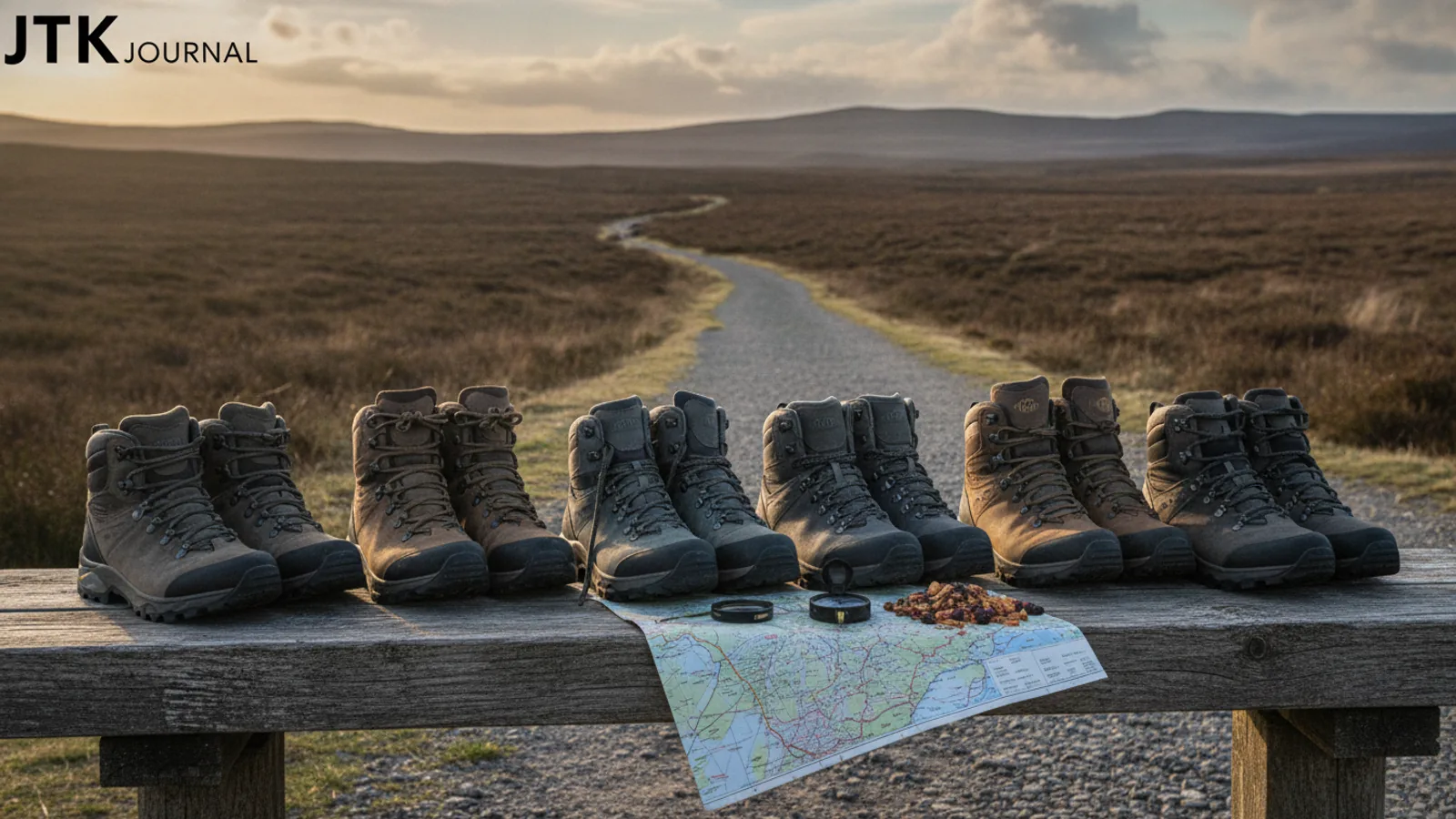
To find the best hiking boots for UK trails in 2026, we analysed over 30 leading models, comparing technical specifications, material innovations, and thousands of genuine customer reviews. Our comprehensive research, balancing comfort, durability, and all-weather performance, identified the Salomon Quest 4 GORE-TEX as the best overall choice for its exceptional support and out-of-the-box comfort on varied terrain.
Quick Comparison
Salomon Quest 4
- Superb ankle support
- Backpacking-ready stability
- Comfortable from first wear
Hoka Kaha 2
- Maximum cushioning
- Surprisingly lightweight
- Reduces foot fatigue
Scarpa Zodiac Plus
- Excellent for scrambling
- Precise, stable footing
- Durable construction
Merrell Moab 3
- Great value for money
- Comfortable & reliable
- Ideal for beginners
Lowa Renegade
- Premium leather build
- Multiple width options
- Classic, versatile design
The Best Hiking Boots
- Salomon Quest 4 GORE-TEX - Best overall
- Hoka Kaha 2 GORE-TEX - Best for lightweight trekking
- Scarpa Zodiac Plus GTX - Best for scrambling & technical terrain
- Merrell Moab 3 Mid GORE-TEX - Best budget option
- Lowa Renegade GTX Mid - Best for wide feet
Salomon Quest 4 GORE-TEX
The Salomon Quest 4 is our top recommendation because it strikes a masterful balance between the support of a traditional backpacking boot and the agility of a lighter trail shoe. It’s an incredibly capable all-rounder, perfect for tackling everything from a muddy weekend walk in the Cotswolds to a multi-day trek through the Scottish Highlands. The standout feature is the ADV-C 4D Chassis, which wraps the foot to provide outstanding ankle support without feeling restrictive. This inspires confidence on uneven, rocky ground, especially when carrying a heavy pack. Despite its robust build, it requires minimal breaking-in, a common praise point in user feedback. The Gore-Tex lining ensures your feet stay dry during inevitable British downpours, making it a reliable choice for year-round adventures.
Pros
- Exceptional ankle support and stability
- Comfortable straight out of the box
- Durable build quality for longevity
- Excellent traction on mixed surfaces
Cons
- Heavier than trail-running hybrids
- Can feel warm in hot weather
Hoka Kaha 2 GORE-TEX
For hikers who prioritise comfort over long distances, the Hoka Kaha 2 is in a league of its own. Famous for its maximalist running shoes, Hoka has applied the same philosophy here, resulting in a boot with unparalleled cushioning that absorbs impact and reduces fatigue on your joints. It’s surprisingly light for its size, making it feel less like a traditional boot and more like a high-top trainer with serious credentials. The Vibram Megagrip outsole provides tenacious traction, while the Gore-Tex bootie keeps your feet dry. The unique SwallowTail™ heel geometry adds stability during descent. This boot is the ideal companion for long-distance paths like the West Highland Way or multi-day coastal walks where covering ground comfortably is the primary goal.
Pros
- Exceptional underfoot cushioning
- Very lightweight for its level of support
- Reduces fatigue on long-mileage days
- Top-tier Vibram Megagrip traction
Cons
- Bulky appearance isn't for everyone
- Softer sole may wear faster on abrasive rock
Scarpa Zodiac Plus GTX
When the trail turns into a rocky ridge or a grade 1 scramble, the Scarpa Zodiac Plus GTX truly shines. This is a technical boot designed for precision and stability in challenging mountain environments. It features a stiffer sole than the other boots on this list, which provides a solid platform for edging on small rock holds. The close, climbing-shoe-like fit and to-the-toe lacing allow for precise adjustments, ensuring your foot is held securely. The durable suede upper can withstand significant abuse from scree and rock, while the Vibram Drumlin outsole offers superb grip. This is the boot for peak-baggers in Snowdonia, the Lake District, or anyone who frequently ventures off the beaten path onto more demanding terrain where reliable footing is paramount.
Pros
- Outstanding stability on rock and uneven ground
- Precise fit ideal for technical footwork
- Extremely durable suede and rubber construction
- Excellent grip for scrambling
Cons
- Stiffness can feel unforgiving on flat trails
- Requires a longer break-in period
Merrell Moab 3 Mid GORE-TEX
The Merrell Moab has long been the go-to choice for new and casual hikers, and for good reason. The latest iteration, the Moab 3, continues this legacy by offering dependable comfort and performance at an exceptional price point. It’s known for its comfortable fit right out of the box, with a roomy toe box that accommodates most foot shapes. The combination of a Gore-Tex membrane, a supportive footbed, and a cushioned midsole provides everything you need for day hikes on well-maintained trails. While it lacks the ruggedness and technical precision of more expensive models, its Vibram TC5+ outsole offers reliable grip on dirt, gravel, and moderate rock. For weekend walkers, dog walkers, and those taking their first steps into hiking, the Moab 3 offers unbeatable value.
Pros
- Excellent value for money
- Famously comfortable, with little break-in needed
- Reliable waterproofing for the price
- A solid, dependable all-rounder for beginners
Cons
- Less durable than premium options under heavy use
- Softer sole offers less support on very rocky terrain
Lowa Renegade GTX Mid
Finding a comfortable boot can be a frustrating experience for those with wider feet, which is where the Lowa Renegade GTX Mid excels. This classic leather boot is offered in three different widths (narrow, regular, and wide), making it one of the most accommodating models on the market. But the fit is only half the story. The Renegade is crafted with premium nubuck leather that is both durable and supple, moulding to your foot over time for a near-custom fit. The PU Monowrap frame provides excellent stability without adding excessive weight, and the Vibram Evo sole is a proven performer on a huge range of surfaces. It’s a true workhorse of a boot, equally at home on a gentle countryside ramble as it is on a challenging alpine path.
Pros
- Available in multiple width fittings
- High-quality, durable nubuck leather upper
- Supportive yet flexible construction
- Classic design that performs everywhere
Cons
- Higher price point
- Leather requires occasional maintenance
Buying Guide: How to Choose the Best Hiking Boots
Selecting the right pair of hiking boots is the most important gear decision you’ll make. The perfect boot will feel like a natural extension of your foot, protecting you from the elements and preventing injury. Here’s what to consider.
Material: Leather vs. Synthetic
Full-grain Leather: Found in traditional, premium boots like the Lowa Renegade. It's extremely durable, water-resistant, and breathable. It requires a break-in period but will mould to your foot for a custom fit. Requires occasional cleaning and conditioning to maintain its properties.
Nubuck/Suede Leather: Often combined with synthetic panels. It's more flexible and breathable than full-grain leather and requires less breaking in. It's still very durable, as seen in the Scarpa Zodiac.
Synthetic Fabrics: Materials like nylon and polyester are common in modern boots like the Salomon Quest 4 and Hoka Kaha 2. They are lightweight, break in quickly, and are generally less expensive. Their main drawback can be reduced durability compared to leather, particularly at flex points.
Waterproofing: The GORE-TEX Standard
For hiking in the UK, a waterproof membrane is non-negotiable. GORE-TEX (GTX) is the industry leader, used in all the boots on our list. It's a microporous membrane laminated to the boot's inner lining. The pores are too small for water droplets to pass through from the outside, but large enough for water vapour (sweat) to escape from the inside, keeping your feet dry and comfortable.
Ankle Height: Mid vs. High
All our chosen boots are "mid" or "high" cut. This design provides crucial ankle support, which helps prevent twists and sprains on uneven terrain, especially when carrying the weight of a backpack. It also adds a physical barrier against water, mud, and trail debris entering the top of the boot.
The Sole System: Midsole and Outsole
The sole is the engine of the boot. It consists of two key parts:
- Midsole: This provides the cushioning and absorbs shock. Midsoles are typically made from EVA (ethylene vinyl acetate), which is lighter and more cushioned, or Polyurethane (PU), which is firmer and more durable. The Hoka Kaha 2 uses a soft EVA for maximum comfort, while more traditional boots use firmer materials for stability.
- Outsole: This is the rubber part that touches the ground. The depth and pattern of the lugs (the tread) determine the boot's traction. Deeper, more aggressive lugs are better for mud and soft ground. Vibram is the most respected outsole manufacturer, known for its durable rubber compounds and excellent grip.
Fit is Everything
No amount of technology can make up for a poor fit. When trying on boots:
- Shop in the afternoon: Your feet swell slightly during the day, especially after activity.
- Wear proper hiking socks: Try boots on with the same type of socks you'll wear on the trail.
- Check the length: You should have about a thumb's width of space between your longest toe and the end of the boot when standing.
- Check for heel lift: When you walk, your heel should feel locked in place with minimal movement or slippage.
- Consider width: If you feel pressure on the sides of your feet, look for a brand that offers wide fittings, like Lowa.
Final Verdict: Best Hiking Boots
After extensive research and comparison, the Salomon Quest 4 GORE-TEX stands out as the best hiking boot for most people in 2026. It offers an unbeatable combination of robust support, all-day comfort, and reliable weather protection that makes it suitable for almost any UK trail condition. It's a true do-it-all boot that will serve you well from casual weekend walks to serious multi-day treks.
However, the best boot is always the one that fits your foot and your hiking style. If you prioritise long-distance comfort and low weight, the Hoka Kaha 2 is an exceptional choice. For those tackling technical mountain terrain, the precision of the Scarpa Zodiac Plus is unmatched. By considering your primary use case and following our buying guide, you can invest in a pair of boots that will provide many years of comfortable, confident hiking.
Best Hiking Boots 2026 FAQ
Do I really need to break in my hiking boots?
While modern synthetic boots require much less breaking in than old-school leather ones, it's still a crucial step. We recommend wearing your new boots around the house for a few days, then on short walks on pavement and local parks before tackling a long trail. This allows the materials to soften and mould to your feet, and more importantly, it helps you identify any potential hot spots or friction areas before they become painful blisters miles from home.
How should I clean and care for my GORE-TEX boots?
After a muddy hike, let the mud dry and then brush it off with a medium-stiff brush. For stubborn dirt, use lukewarm water and a small amount of non-detergent soap. Remove the insoles and laces and allow the boots to air dry naturally, away from direct heat sources like radiators or fires, which can damage the materials and adhesives. Periodically, you can refresh the boot's outer water repellency (DWR) with a spray-on proofer available from outdoor shops.
What kind of socks should I wear with hiking boots?
Avoid cotton socks at all costs. Cotton absorbs moisture and holds it against your skin, which leads to blisters and discomfort. Instead, choose socks made from merino wool or synthetic blends. Merino wool is excellent at regulating temperature, wicking moisture, and it's naturally odour-resistant. The amount of cushioning is a personal preference, but a mid-weight cushioned sock is a great starting point for most three-season hiking in the UK.
Can I use my own insoles in hiking boots?
Absolutely. Most hiking boots come with a basic, removable insole. Swapping this for an aftermarket insole from brands like Superfeet or Sorbothane can significantly improve comfort and support, especially for those with high arches or flat feet. A good insole can help stabilise your foot within the boot, reducing fatigue and preventing common issues like plantar fasciitis.